Relationships
Zombieing: they came back like nothing happened (and your brain fell for it)
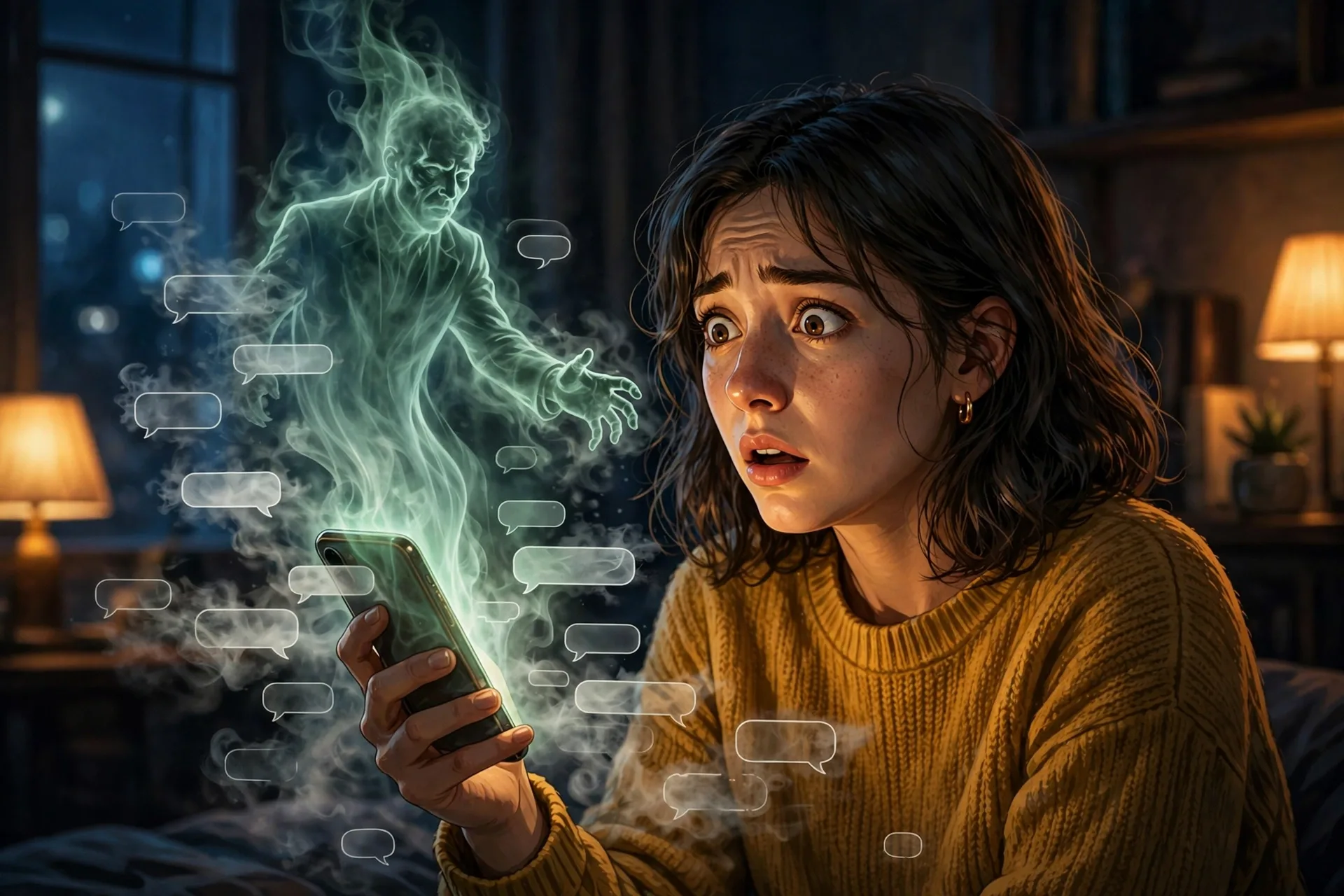
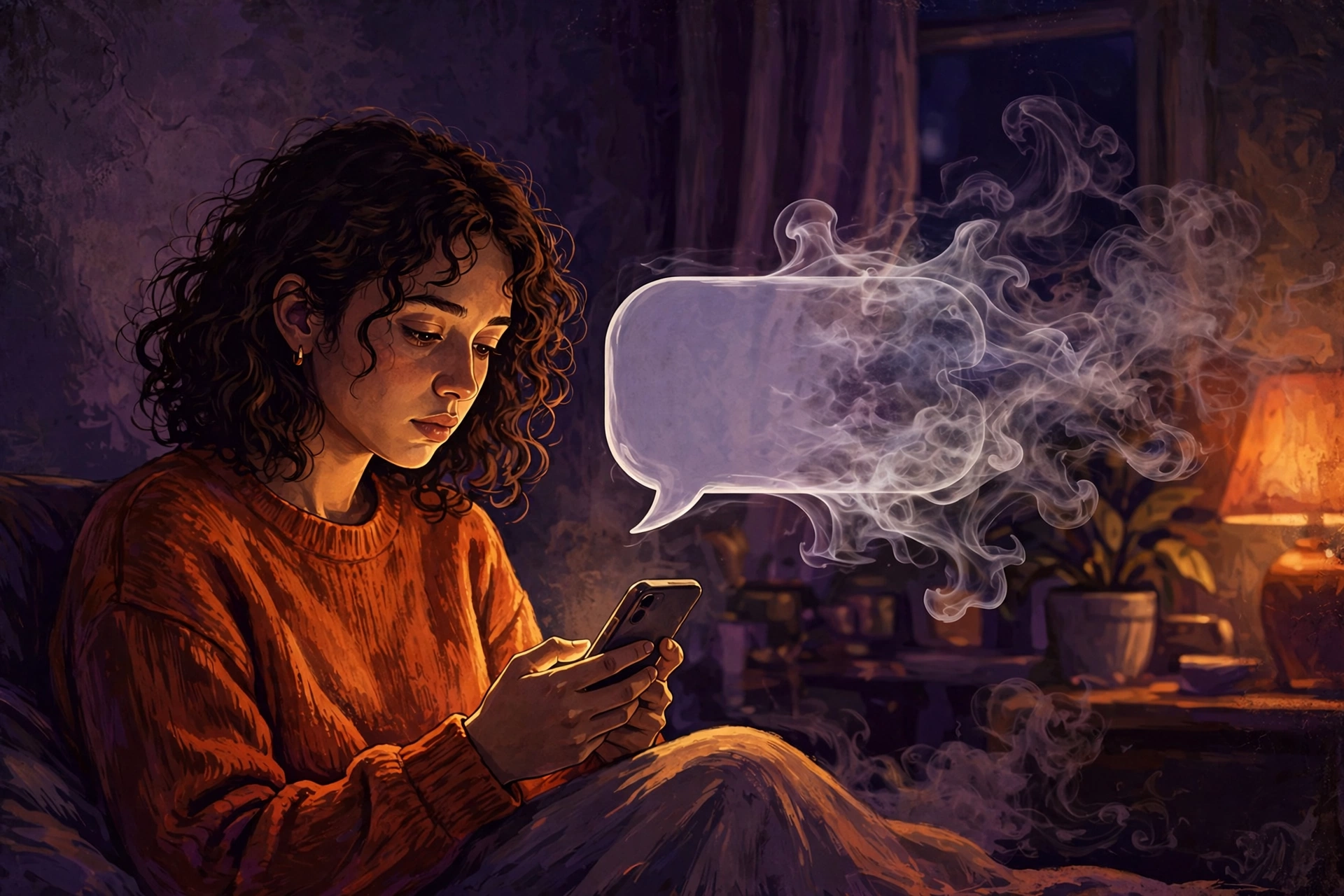
Months of silence passed. You had already made peace with their absence. And one night, at 11 pm, your phone buzzes: «Hey, stranger». Like nothing ever happened. That's not a coincidence or a second chance: it has a name, and it's called zombieing.
✍️ Curioso Latino Team📅 October 27, 2026⏱️ 7 min read
Original Curioso Latino illustration.
As an Amazon Associate I earn from qualifying purchases.
First a ghost, now a zombie. Zombieing is the unexplained return of someone who previously ghosted you: they vanished with no warning, no closure, no answer, and one day they reappear with a casual message, a meme, or a «how are you?» as if the absence never existed. The term has circulated since around 2017, when dating apps made disappearing as easy as coming back.
First a ghost, now a zombie
Ghosting hurts because there's no closure: the story stays open, with no final scene. Zombieing hurts even more, because it reopens that story just when you were closing it yourself. The person who returns brings no explanation and no apology: they bring a greeting. And that greeting, so small, is enough to stir everything up again.
The difference from a healthy reconciliation is clear: someone who truly wants to come back starts with the absence, not by ignoring it. They say what happened, own their part, and show a change. The zombie, instead, jumps straight to the present as if the past didn't count.
Why it hurts more than ghosting
Psychology has an uncomfortable explanation: intermittent reinforcement. When a reward arrives now and then with no warning —a message today, three weeks of silence, another message— the brain chases it harder than if it always arrived. It's the same mechanism that makes slot machines addictive: you never know when the prize comes, so you never stop playing.
That's why the zombie's message feels so big: it's not just a «hey», it's the reward you spent months waiting for without knowing it. A 2022 survey by the Elate platform found that 72% of millennials said they had lived through a zombieing episode in the past year. You're not the only one it happened to, nor the only one whose heart raced at two words.
Why they come back: boredom, nostalgia, or plan B
They almost never come back because they changed. The most common reasons are simpler: they got bored with their new options, they felt lonely one night, they saw you thriving and got curious, or they keep you as a plan B in case the new thing doesn't work. Nostalgia weighs in too: the past, seen from afar, always looks prettier than it was.
None of those reasons say anything about you or what you deserve. They say something about their moment, their emptiness, their need for attention. Understanding that doesn't remove the pain, but it removes the question that hurts most: «did I do something wrong?». No. They were the one who disappeared, and they're also the one coming back without explaining.
The trap: your brain mistakes attention for interest
Here is zombieing's central trap: your brain reads any attention as interest. A message feels like «I still matter to them». But looking, writing, or reacting costs very little. Real interest is measured in another currency: consistency, explanations, plans, presence when it's uncomfortable.
Ask yourself this before replying: does it come with an explanation for the absence? Does it come with a concrete change, or just a greeting? If the answer is just a greeting, it's not a return: it's a visit. And you are not a stop along the way.
What to do when the zombie knocks
First, don't reply from the emotion of the moment. That message waited months; it can wait one more night while you decide with a cool head. Second, if you do reply, ask for the only thing that matters: an explanation and a change. «Good to hear from you. Before we go on, what happened those months?» The answer —or its absence— will tell you everything.
Third, set your limit in writing for yourself: if they vanish again, there's no third act. And if their insistence steals your peace, blocking isn't revenge or drama: it's closing a door you had already closed. The best antidote to the zombie isn't another message: it's a life that keeps moving without waiting for theirs.
Coming back isn't writing «hey»: it's explaining the absence and changing what caused it.