Ghostlighting: 8 Signs of the Toxic Trend Worse Than Ghosting
They disappear for days, then swear nothing happened: ghostlighting blends ghosting with gaslighting. Spot the 8 signs and respond with clear boundaries.
They disappear for days, then swear nothing happened: ghostlighting blends ghosting with gaslighting. Spot the 8 signs and respond with clear boundaries.
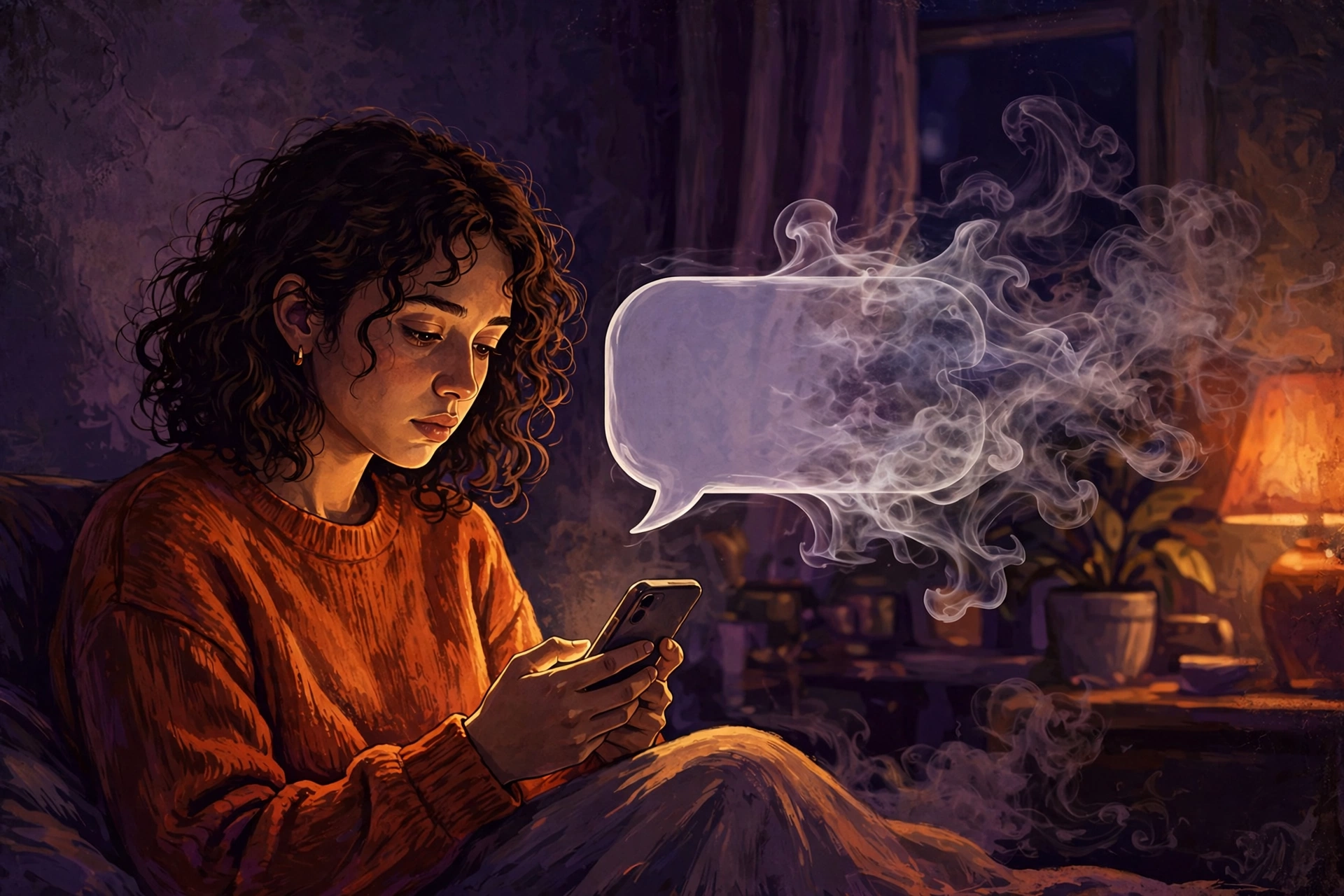
Original Curioso Latino illustration.
Everything was going well: daily texts, plans, great chemistry. Then, total silence. Weeks later they show up like nothing happened, and when you ask what went on, they tell you you're overreacting. It has a name: ghostlighting, the mix of ghosting and gaslighting that USA Today called in 2026 the toxic dating trend 'even worse than ghosting'.
The texts were daily, there were plans and laughter. Then one day: total silence — no fight, no explanation, no goodbye. That abrupt disappearance, right when everything was flowing, is ghostlighting's first red flag.
They reappear with a casual 'hey stranger!' weeks or months later, with no apology or explanation. In a 2026 survey by the dating app BLK, 66.5% of users said they had lived through this dynamic: the carefree comeback is part of the pattern, not an accident.
When you ask what happened, you get 'it was only a few days, don't exaggerate.' Your legitimate reaction becomes the problem and their disappearance a minor detail. If someone makes you feel dramatic for asking for an explanation, take note.
The classic reversal: 'you seemed so busy, I didn't want to bother you' or 'you took forever to reply too.' Suddenly you're the one who should apologize for feeling hurt. Ghostlighting always needs someone to blame — and it's never them.
'I never said that,' 'that's not how it happened.' This is where gaslighting kicks in: they twist the facts until you start doubting what you clearly remember. As author Amy Chan put it: ghosting is avoidance, but ghostlighting distorts reality so you doubt your own.
After the ice comes a wave of attention: sweet texts, plans, promises. It's the variable reward, the same mechanism that hooks gamblers: you never know when the warmth arrives, so you keep waiting.
'What are we?', you ask, and they answer with a joke, a subject change, or a 'we'll talk about it later.' The ambiguity isn't accidental: a 2025 MyIQ survey found 74% of women see ambiguity as the norm in modern dating, and 68% have experienced ghosting.
You move on, stop checking your phone... and there it is: their message. They return exactly when your distance grows, restarting the cycle. Spotting this sign is key: the pattern only breaks when you decide not to step back in. According to Urban Magazine, 71% would consider a second chance only with clear evidence of change.
Name the pattern, ask for facts instead of promises: a second chance is only worth it if the change is visible, concrete, and sustained.
Three allies to reclaim your calm and your clarity
Tools to express how you feel clearly and without fights.
See on AmazonA calming ritual for the days you need to reconnect with yourself.
See on AmazonReviewed by the Curioso Latino editorial team. Original content for entertainment and general culture purposes.
Did you like this content? Give it a like! ❤️