Familism vs. Independence: 5 Clashes Between Two Ways of Living
Sharing a roof and expenses or having your own space: we compare Latino familism and individual independence across 5 rounds, with real data and no absolute winner.
Sharing a roof and expenses or having your own space: we compare Latino familism and individual independence across 5 rounds, with real data and no absolute winner.
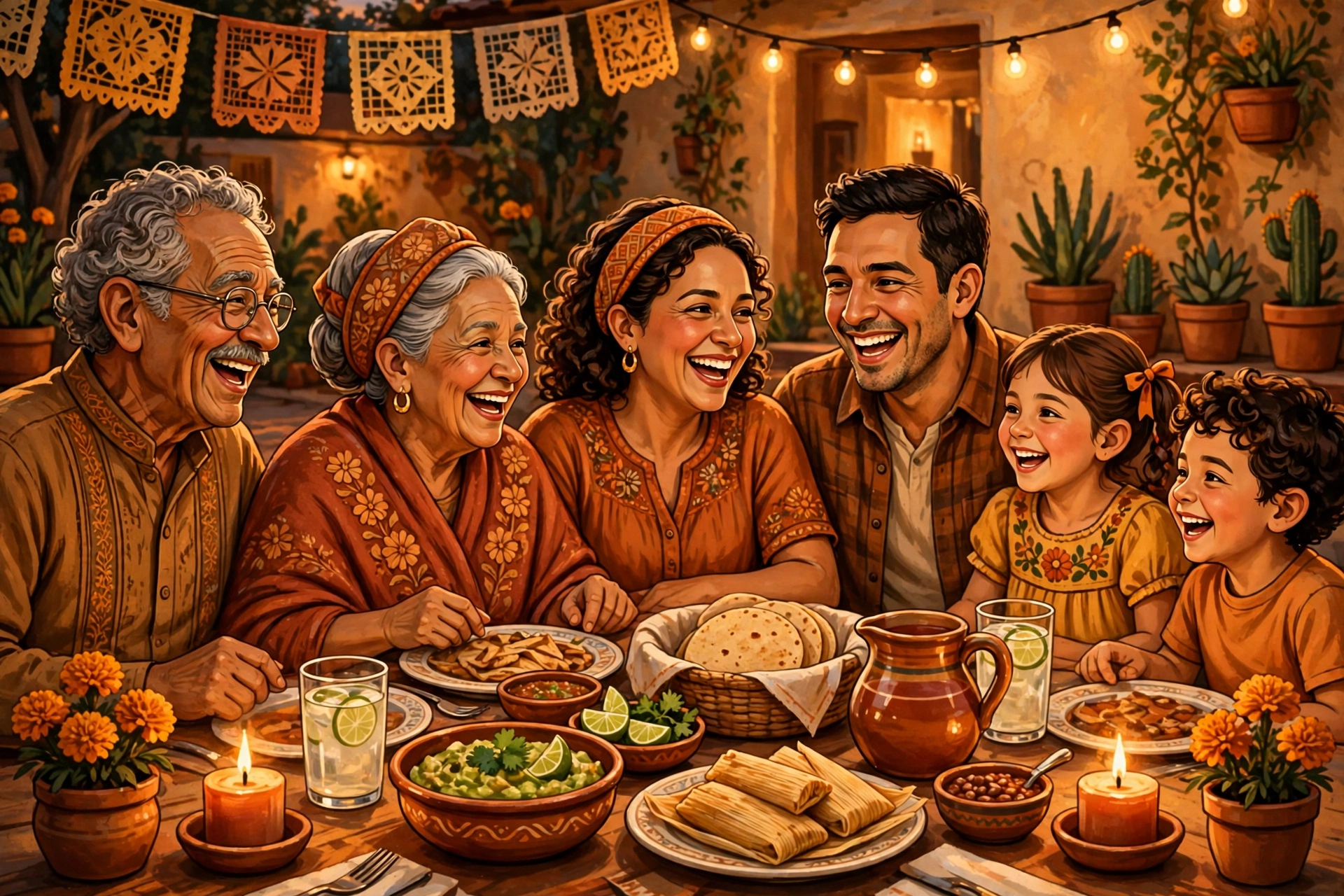
Original Curioso Latino illustration.
In many Latino homes, grandma lives downstairs, the uncle next door, and nobody finds it strange. In other cultures, moving out at 18 is almost a rite of passage. They are two philosophies of life — familism and individual independence — each with its lights and shadows. We compare them across five rounds, with real data.
Living with family: Under one roof, rent, utilities, even groceries get split: the multigenerational home works as a cushion against crisis. 26% of Hispanics in the United States live in multigenerational households, per the Pew Research Center (2022), versus 13% of white Americans; the figure rises to 26% among the foreign-born (vs. 17% among the U.S.-born), and 45% of Hispanics aged 18–34 live with their parents (Tr3s/MediaVillage). When money gets tight, family is the first insurance.
Living alone: Living alone means a budget nobody touches: every expense is your own decision and every saving a personal win. Financial independence teaches discipline, though the cushion is thinner: an emergency lands entirely on one wallet.
Living with family: The family network acts as a shock absorber: there's always someone who listens, cooks, keeps you company. A study by Corona, Campos and Chen (2017) found familism linked to less loneliness, depression, and physical symptoms; and under high stress, those who value family most report higher self-esteem.
Living alone: Total autonomy forces you to build your own network: friends, therapy, routines. It can be liberating to decide without answering to anyone, but the loneliness of independence demands constant emotional work that not everyone has trained for.
Living with family: Grandparents are present: they watch the kids, pass down stories, and parenting gets shared across many hands. And when parents grow old, care stays at home — not in some distant institution.
Living alone: Parenting falls on daycares, nannies, and millimeter-precise schedules; elder care gets outsourced to professionals or residences. You gain order and specialization, but you pay the bill — financial and emotional — yourself.
Living with family: Sharing a roof multiplies friction: generational clashes over schedules, partners, parenting, even the kitchen music. Closeness is beautiful until you need silence and the living room is taken.
Living alone: Your space, your rules: nobody comments on your mess or your schedule. Friction nearly disappears, though the price is a bubble where rarely anyone tells you what you don't want to hear.
Living with family: Culture is inherited at the table: recipes, sayings, celebrations, and a sense of belonging money can't buy. Familism hands you who you are before you have to discover it alone.
Living alone: Independence as an ideal pushes you to build identity from scratch: your values, your rituals, your path. It's pure freedom, though sometimes with the feeling of reinventing the wheel every generation.
There is no winning model: the family that holds you up at 25 can be the one that suffocates you at 40, and vice versa. The question is not which is better, but which one serves the stage of life you're in today.
Three ideas for creating moments together, under one roof or not
Reviewed by the Curioso Latino editorial team. Original content for entertainment and general culture purposes.
Did you like this content? Give it a like! ❤️