Wellness
95% of Therapists Hear This in Session: You Tell an AI Your Problems Before You Tell Them
Before booking an appointment, millions of people type their anxiety into a chatbot at 2am. A survey of psychologists confirms it: AI has become the first confidant. What science says, and where the line is.
✍️ Curioso Latino Team📅 Published: October 23, 2026⏱️ 7 min read
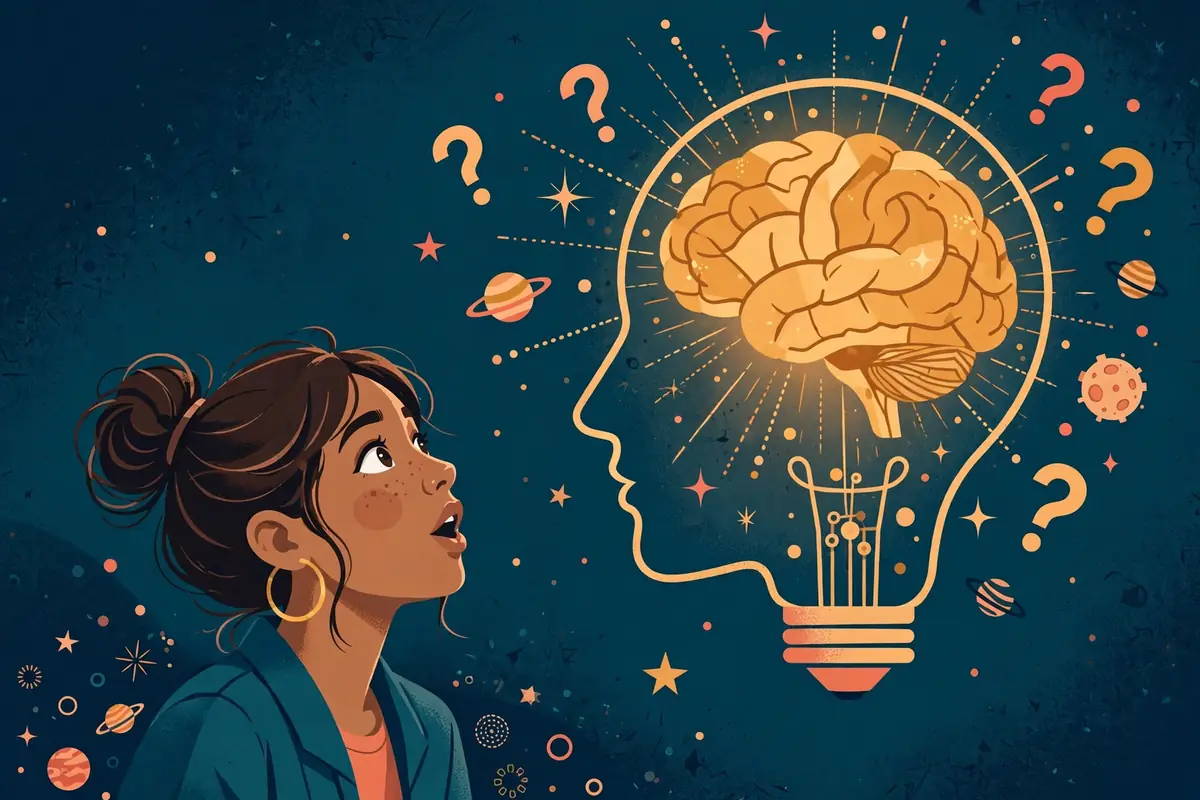
Original Curioso Latino illustration.
As an Amazon Associate I earn from qualifying purchases.
It's 2am. Lucía, 29, has been tossing in bed for an hour with the same worry on loop. She doesn't want to wake anyone. She doesn't want to "bother". So she opens the chat on her phone and types, unfiltered, everything she feels. On the other end there is no person: there is an artificial intelligence that answers in seconds, without judging, without charging, without saying "it's late".
Lucía is not a rare case. She is the new normal. And therapists have noticed.
What the survey says: 95 out of 100
For World Mental Health Day (October 10), the psychologist directory Viving published its 2026 Barometer: a survey of 22 practicing psychologists in Spain. The headline result: 95% have had patients who, before booking an appointment, told ChatGPT or another AI chatbot about their distress.
And these aren't isolated cases: for 45% of the professionals, those patients are already "quite a few" or "many". The same survey points to two facts that explain the phenomenon: what grows most in therapy rooms is anxiety, and people usually take months to seek professional help. AI fills exactly that gap: the space between "I feel bad" and "I book an appointment".
Why we tell everything to a chatbot
Psychology has several explanations, and none of them is that "we're crazy":
It's there when distress shows up. Anxiety doesn't respect schedules: it arrives at 2am, on a Sunday, mid-crisis. AI is there, instantly, while an appointment can take weeks.
Zero shame. Admitting you feel bad is hard. Admitting it to a screen is easier: no judging look, no need to "look fine", no fear of being a burden.
Writing organizes. Putting feelings into words —even in a chat— forces your brain to organize the chaos. Therapists know this: externalizing thought already relieves, no matter who you talk to.
It doesn't interrupt. The chatbot doesn't check the clock, doesn't yawn, doesn't change the subject. For someone who has never felt heard, that is worth gold.
The other side: what worries experts
The same psychologists warn that the digital confidant has serious limits. An AI cannot detect warning signs: it doesn't notice your tone of voice, your held-back tears, or when an "I'm fine" isn't true. Plus, it tends to agree with you: if you arrive convinced you have this or that condition because you saw it in a 30-second video, the chat can reinforce the idea instead of questioning it.
And there's a silent risk: using the chat as an indefinite substitute. If every night "therapy with the AI" calms you just enough to never book help, momentary relief can become the reason you never reach a real consultation.
How to use it without getting stuck
AI as a first step isn't the problem; turning it into the only step is. Some healthy ideas:
Use it as a journal, not a diagnosis. Writing down how you feel helps. Asking it to tell you "what you have" doesn't: that's for a professional to decide.
Give it a schedule. If the nightly chat becomes a 2-hour ritual, try writing for 15 minutes and closing it. Rest takes care of the mind too.
Count on humans. A friend, a relative, a group: AI listens, but it doesn't hug you, doesn't look you in the eye, doesn't remember you next week.
If distress persists, book that appointment. Sadness that won't leave, anxiety that interferes with your life, sleep or appetite altered for weeks: those are signs to seek professional help, not to have another longer chat.
AI can be the front door to taking care of your mind. Just make sure it's a door — not a room you move into.